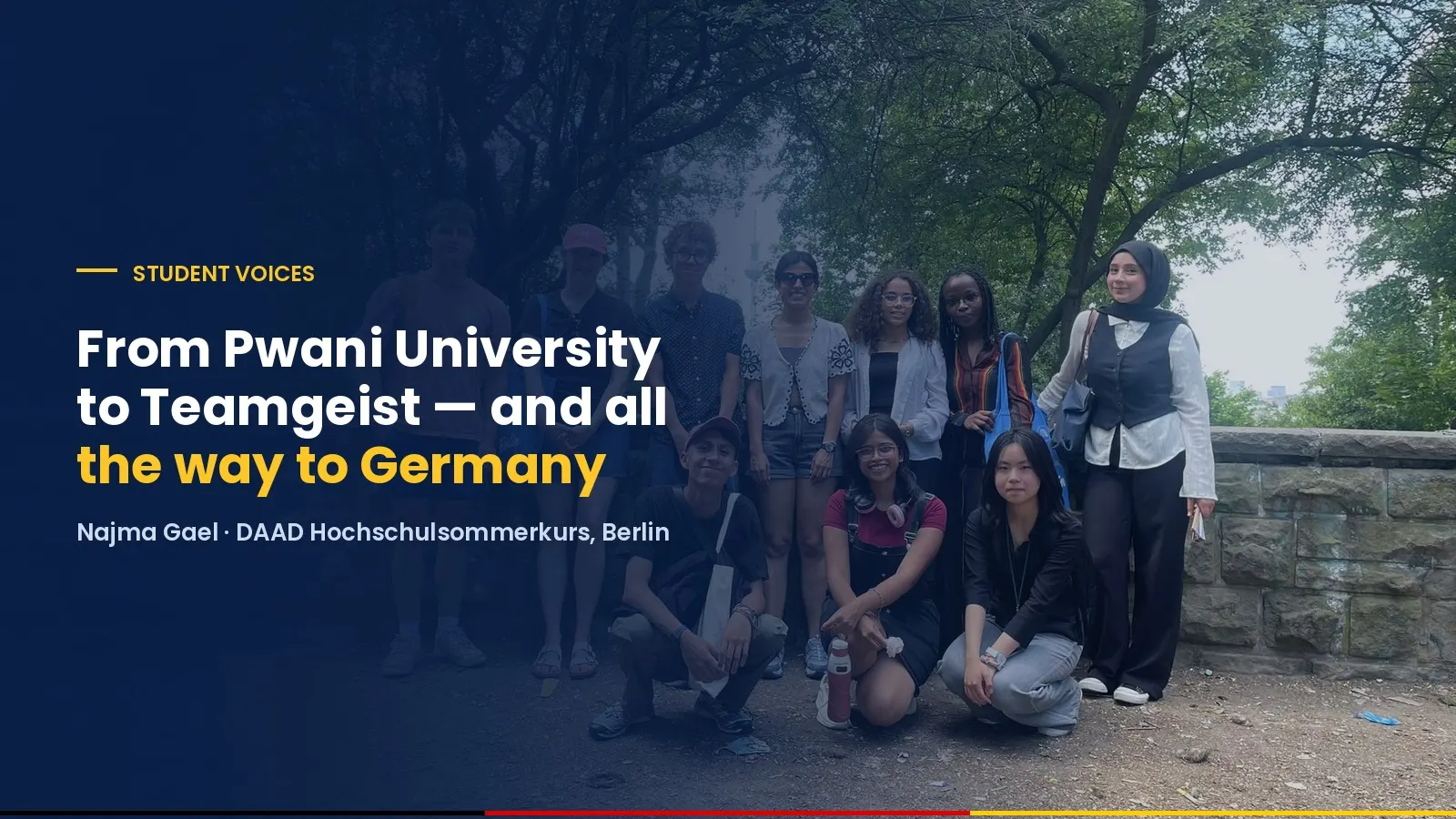
Najma Gael is a third-year student in the German department at Pwani University. She spent three months on attachment with us in Nairobi — and, part-way through, a month in Berlin on a DAAD-funded summer course. We asked her to write about both. This is her account.
When my German department at Pwani University announced attachment placements, one name stood out on the list: Teamgeist International. I did not know much about it then, only that it was tied to our German programme. That connection turned out to be the first link in a chain that eventually took me to Germany.
I applied without fully knowing where it would lead, and was posted there for three months.
Three months in a Nairobi office
My role was mainly administrative. I supported the secretary with day-to-day office work, handled correspondence, and — most memorably — helped prepare for a career fair.
That meant getting on the phone and reaching out to institutions, inviting them to take part, following up, and coordinating the details ahead of the event. It sounds simple written down. In practice it taught me how to represent an organisation professionally, how to communicate clearly with people I had never met, and how to stay organised when several small tasks are moving at once.
The hardest part was not the German
It was not the language, and it was not the tasks. It was adapting to the workplace culture.
Moving from the rhythm of university life into a structured office environment took real intentionality: learning the unspoken expectations, the communication styles, the professional etiquette that nobody writes down for you. It pushed me to grow up a little, professionally speaking. That adjustment ended up being one of the most valuable parts of the whole attachment.
Where the story comes full circle
The same German department that placed me at Teamgeist had also opened a door to something bigger: a DAAD-sponsored opportunity, which I applied for directly through school.
Part-way through my attachment, I travelled to Germany for a month to attend a Hochschulsommerkurs — an intensive university summer course in language and culture.
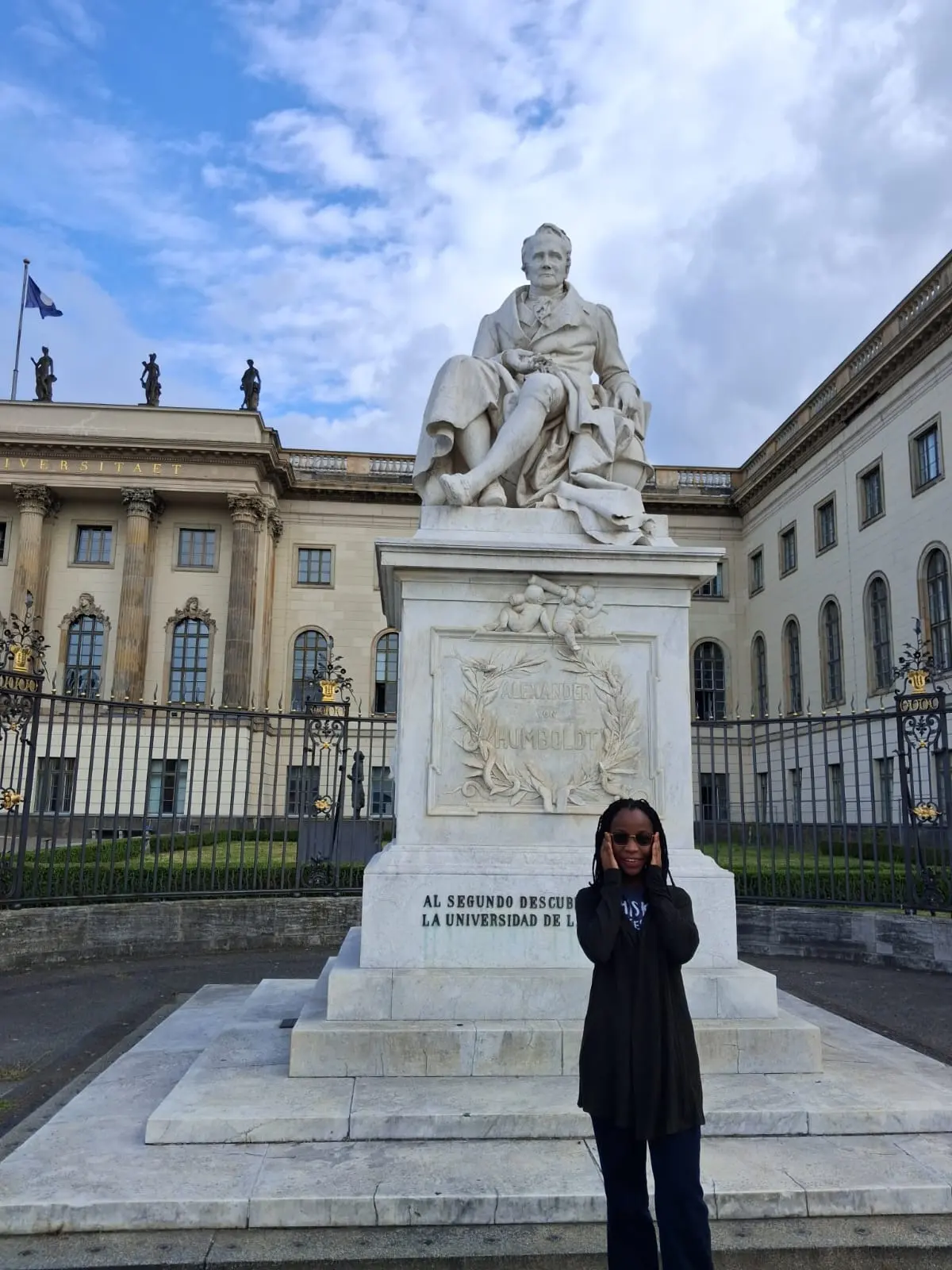
In many ways, Teamgeist was the training ground and Germany was the proving ground. The professional communication, the self-initiative and the confidence I built while organising the career fair carried directly into how I navigated a new country, a new institution and a new culture. One experience prepared me for the other, even though they happened almost side by side.
What a month in Germany actually taught me
The Hochschulsommerkurs was immersive in every sense.
- My German improved daily. Not from drills — from constant practice in real situations, where getting the sentence out mattered more than getting it perfect.
- Cultural history came alive. We studied Germany's past in a way that made the present make sense. It is a different thing to read about a place and to stand in it.
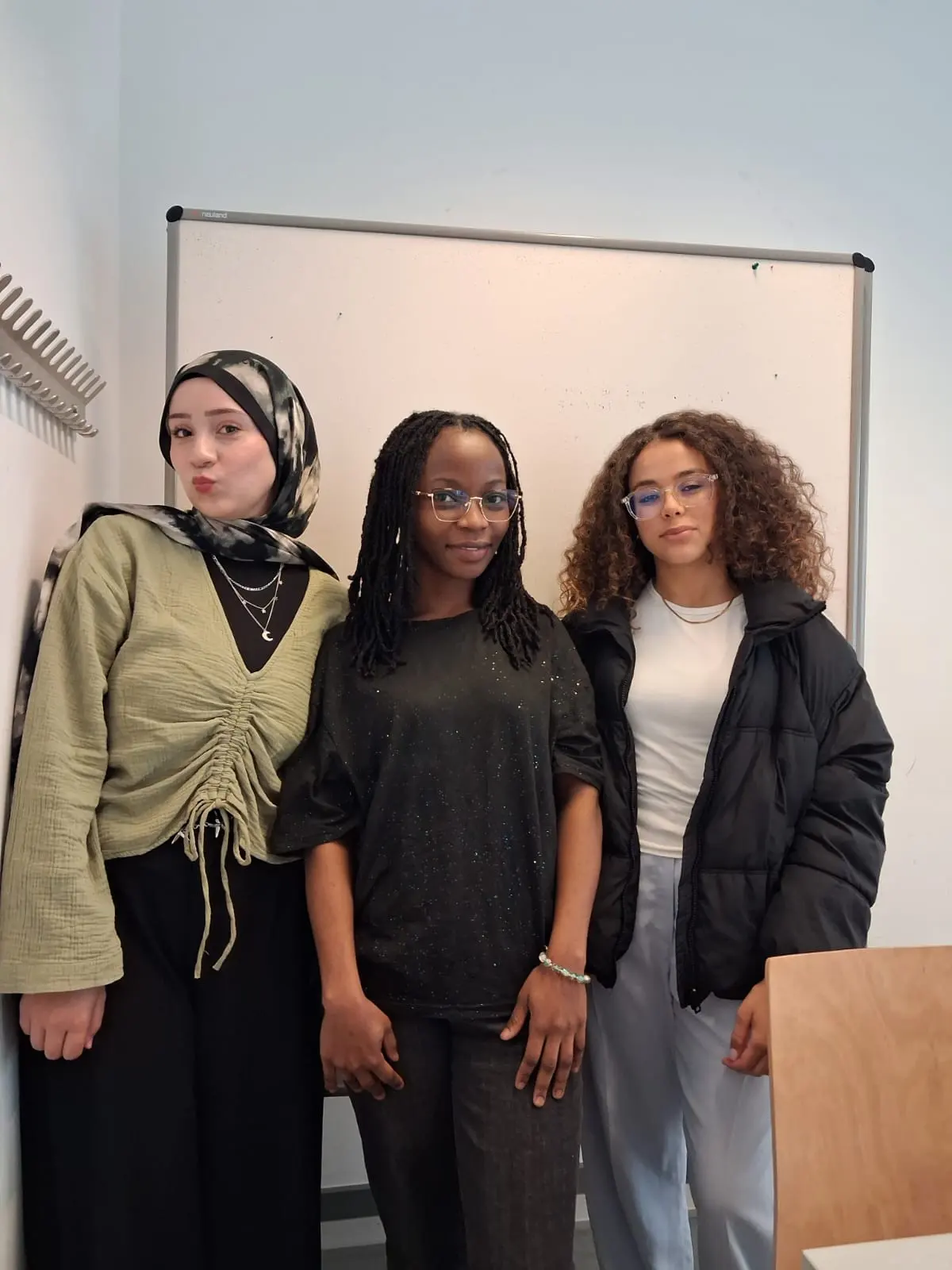
- I met people from across the world. Different continents, one shared working language. It broadened how I see the world and how I communicate across cultures.
- I learned to solve my own problems. Being far from home in an unfamiliar system meant working things out alone and pushing through discomfort. That is a skill, and it only develops when you have no alternative.

Combined with what I gained at Teamgeist, this period shaped me more than any single semester of coursework could have.
My advice for anyone preparing for the Goethe exam
I sat the B1 level. Here is what genuinely worked.
- Speak from day one. Do not wait until you feel ready. Speaking practice, even imperfect, builds the fluency and the confidence the exam actually tests.
- Write consistently. Regular writing sharpens your grammar and structure far more than passively reviewing notes ever will.
- Be consistent, not intense. Steady daily practice beats last-minute cramming every time. Little and often wins.
- Use every chance to hear and use German. Classmates, online resources, exchange partners — so that by exam day it feels like an extension of habit rather than a test of memorised rules.
To anyone thinking about learning German
If you are on the fence, let this be your sign.
What started as a university attachment turned into a career fair, a lesson in workplace adaptability, and eventually a month of my life in Germany, meeting people from around the world and watching a language turn into an actual passport to opportunity.
Teamgeist gave me the foundation. German gave me the door. All I had to do was walk through it.
A note from Teamgeist
Najma wrote this herself and we publish it with her permission.
Two things worth pulling out for anyone reading. The DAAD Hochschulsommerkurs she attended is a real, funded route that Kenyan students apply for through their own university department — if you are enrolled on a German programme, ask your department about it rather than waiting to hear. And the level she sat, B1, is the one that carries the most weight in practice: it is the official requirement for Ausbildung in Germany and the language level for citizenship.
We take a small number of university attachment students each year. If your department is looking for a placement, or you are preparing for a Goethe exam at any level, get in touch — and if you are not sure where you would start, our free five-minute placement test will tell you.